
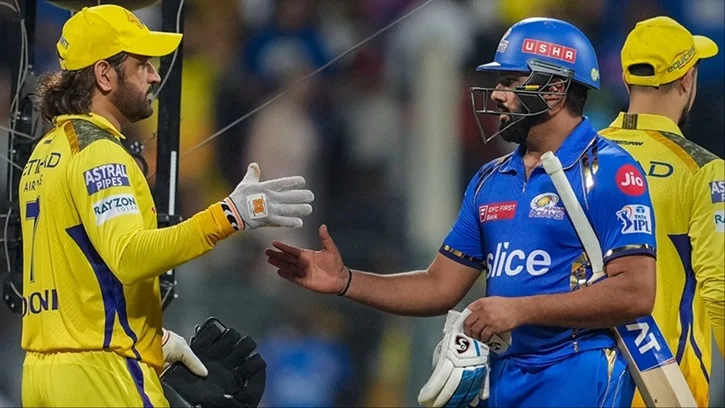
The Indian Premier League has produced countless thrilling encounters, yet none have captured the imagination of cricket fans quite like the clash between two coastal powerhouses. When the ball drops at a sold-out stadium and millions tune in worldwide, the mumbai indians vs chennai super kings timeline becomes a masterclass in sporting drama. This is more than a cricket match; it is a battle of contrasting philosophies, legendary captains, and deeply passionate fan bases.
In this comprehensive guide, we explore every major chapter of this legendary rivalry. We will break down the earliest encounters, dissect the tactical shifts across IPL seasons, highlight unforgettable playoff clashes, and provide a fully updated mumbai indians vs chennai super kings timeline through May 2026. Whether you are a seasoned analyst, a fantasy cricket enthusiast, or a casual fan looking to understand why these two franchises dominate Indian sports conversations, this article delivers every critical stat, milestone, and narrative twist.
Rivalry Overview / Background
The foundation of this iconic competition was laid in 2008, when the inaugural Indian Premier League auctioned eight city-based franchises to corporate giants. Reliance Industries secured the Mumbai Indians (MI) for $111.9 million, while India Cements acquired the Chennai Super Kings (CSK) for $91 million. From day one, the financial muscle, brand positioning, and star-studded rosters set the stage for an enduring rivalry.
Unlike other IPL match-ups that rely on geographical proximity, the MI-CSK clash thrives on stylistic opposition. Mumbai built its identity around data-driven recruitment, aggressive middle-order batting, and lethal fast-bowling depth. Chennai, under the legendary MS Dhoni, cultivated a calm, experience-heavy culture, prioritizing tactical flexibility, spin dominance, and steady chase execution. Over nearly two decades, this philosophical divide has produced nail-biting finishes, record-breaking individual performances, and franchise-defining comebacks.
The rivalry matters because it has directly shaped IPL title narratives. Four finals, dozens of playoff implications, and countless league-stage drama have proven that these two teams are the benchmark for IPL excellence. As we trace the complete mumbai indians vs chennai super kings timeline, we see how corporate backing, leadership transitions, and evolving T20 tactics have transformed both clubs into global sporting institutions.
Early Era: The mumbai indians vs chennai super kings timeline (2008 – 2013)
The opening chapter of this rivalry was defined by establishment and adaptation. The 2008 season introduced both franchises to high-pressure T20 cricket, with Chennai immediately asserting tactical superiority. Under Stephen Fleming’s coaching guidance and MS Dhoni’s on-field calm, CSK reached the 2008 final (losing to Rajasthan Royals) while MI struggled to find consistency. Their first official league clash occurred on April 25, 2008, at the MA Chidambaram Stadium, where Chennai chased down 143 comfortably, setting an early psychological edge.
By 2010, both sides had matured into title contenders. The 2010 IPL Final at DY Patil Stadium remains one of the most iconic meetings. Chennai batted first and posted 168/5, powered by Murali Vijay and Suresh Raina. Mumbai, led by Harbhajan Singh and Kieron Pollard, fell short by 22 runs in a rain-curtailed chase. That victory cemented Chennai’s reputation as a big-game franchise and established MS Dhoni’s finishing mastery.
The narrative flipped in 2013. Mumbai’s new core—featuring a young Rohit Sharma, explosive all-rounder Dwayne Bravo, and tactical genius John Wright—gelled perfectly. The 2013 IPL Final at Eden Gardens saw Chennai post 148/9, only for Mumbai to clinch their maiden title with a clinical chase. Rohit’s 38 and Kieron Pollard’s 32 off 17 balls* dismantled Chennai’s bowling. Lasith Malinga’s final over magic and Dwayne Bravo’s all-round impact proved Mumbai had evolved into a ruthless, system-driven team. By the end of 2013, the rivalry had produced its first classic final turnaround, proving that both franchises could adapt, learn, and strike back when challenged.
Mid Era (2014 – 2020)
The mid-period of the rivalry tested resilience and exposed strategic vulnerabilities. Chennai faced a two-year suspension for administrative violations, missing the 2016 and 2017 seasons entirely. During this window, Mumbai capitalized heavily on their stable leadership and domestic scouting network, winning back-to-back titles in 2015 and 2017 without facing Chennai in the finals. When CSK returned in 2018, the rivalry reignited with renewed intensity, fueled by revenge narratives and tactical recalibrations.
The 2015 IPL Final stands as Mumbai’s most dominant victory over Chennai. Played at Eden Gardens, Mumbai posted 202/5, featuring a blistering 59 off 18 balls by Kieron Pollard* and a steady 50 by Rohit Sharma. Chennai’s chase collapsed against disciplined death bowling, losing by 41 runs. This match exposed gaps in Chennai’s pace resources during high-scoring encounters and highlighted Mumbai’s batting depth.
The 2019 IPL Final in Hyderabad delivered arguably the greatest finish in IPL history. Mumbai batted first and scored 149/8, a modest total in T20 cricket. Chennai’s chase looked controlled until a dramatic final over. With 23 runs needed off 1 over, Lasith Malinga bowled a masterclass. Shane Watson fell for 80, needing just one run off the final ball but losing his leg stump. Mumbai won by 1 run. The match underscored Chennai’s reliance on veteran execution and Mumbai’s cold-blooded bowling under extreme pressure.
By 2020, the rivalry entered a period of squad transformation. The pandemic shifted IPL to UAE venues, altering pitch behavior and tactical approaches. Mumbai won their 5th title that year, but Chennai’s rebuilding phase began. The mid-era solidified the rivalry as a tactical laboratory, where power-hitting, death bowling, and captaincy decisions were constantly refined for modern T20 demands.
Modern Era: Updating the mumbai indians vs chennai super kings timeline (2021 – 2024)
The 2020s brought structural changes to the IPL landscape, and both franchises adapted with contrasting strategies. Chennai’s 2021 and 2023 title campaigns proved that experience and calm leadership still conquered chaotic T20 environments. Mumbai, meanwhile, navigated a transitional phase, balancing the retention of core players with aggressive auction buys to refresh their middle order.
The 2021 season featured intense league clashes in the UAE. Chennai’s spin trio—Imran Tahir, Moeen Ali, and Ravindra Jadeja—dominated middle overs, while Mumbai leaned on Kieron Pollard and Rahul Chahar to stabilize chases. Their playoff encounters that year highlighted how pitch-specific planning became the decisive factor. Chennai’s methodical approach secured the 2021 trophy, showcasing Dhoni’s tactical patience against Mumbai’s aggressive intent.
By 2022, the mega auction reshaped rosters. The introduction of the Impact Player rule in 2023 accelerated match tempos. Chennai integrated Ruturaj Gaikwad and Devon Conway as opening pillars, while Mumbai invested in Suryakumar Yadav, Tilak Varma, and overseas power-hitters. The 2023 league clashes saw tighter contests, with both sides trading victories in high-scoring thrillers. Tactical flexibility replaced rigid batting orders, and spin-to-pace balance became the new metric for success.
The 2024 season forced both franchises into aggressive rebuilds again. Mumbai’s captaincy shifted, and Chennai focused on youth integration. League matches featured tactical gambles, aggressive fielding setups, and data-backed bowling plans. Despite inconsistent results, the modern era proved that the rivalry no longer relied on individual superstars alone—it thrived on systemic depth, sports science, and real-time match analytics. Both teams entered 2025 as restructured entities ready for the next evolutionary phase.
2025–2026 Update: Latest Developments & Current Standings
As of May 2026, the franchise dynamics have evolved significantly. The 2025 IPL season witnessed both teams embracing aggressive auction strategies, prioritizing multi-dimensional overseas players and domestic finishers. Mumbai reinforced their top order with high-strike-rate openers and invested heavily in express pace bowlers capable of generating 145+ kmph deliveries. Chennai doubled down on their traditional strengths: tactical spin combinations, experienced middle-order stabilizers, and data-driven death bowling.
During the 2025 league stage, their two encounters split 1-1. The first clash at Wankhede Stadium saw Mumbai defend 192 through disciplined death bowling, with their new pace spearhead delivering crucial yorkers in the final three overs. The return fixture at MA Chidambaram Stadium featured a masterclass chase by Chennai, who utilized their Impact Player to accelerate the middle overs and chased 187 with two overs remaining. Both matches highlighted how modern T20 cricket rewards adaptability, squad depth, and real-time tactical adjustments.
Entering the 2026 season, both franchises have optimized retention policies and integrated next-generation domestic talents. Mumbai’s focus has shifted toward building a relentless pace battery to complement their explosive batting lineup, while Chennai has maintained its signature calmness while adding athletic fielding and power-hitting depth. As of mid-May 2026, their head-to-head encounters continue to dictate playoff positioning, proving that tactical innovation and leadership stability remain the ultimate differentiators. The rivalry has successfully transitioned from legacy-driven matchups to a modern, analytics-powered competition that sets the global T20 standard.
Complete Timeline
The following table captures every major competitive encounter and milestone from inception to the current cycle:
| Year | Event/Match | Result/Outcome | Key Highlight |
|---|---|---|---|
| 2008 | First League Clash | CSK won by 9 wickets | CSK chased 143 comfortably in inaugural season |
| 2009 | Early Season Meeting | MI won by 6 wickets | Mumbai stabilized chase through middle-order resilience |
| 2010 | IPL Final | CSK won by 22 runs | Murali Vijay anchored chase; MI fell short in rain-curtailed game |
| 2011 | High-Scoring League Game | CSK won by 7 wickets | Chennai chased 178 with Suresh Raina’s 54 |
| 2012 | Mid-Season Clash | MI won by 4 wickets | Kieron Pollard’s 45* secured narrow victory |
| 2013 | IPL Final | MI won by 23 runs | Rohit Sharma & Pollard dismantled CSK’s defense |
| 2014 | League Stage Opener | MI won by 7 runs | Lasith Malinga’s final over sealed the win |
| 2015 | IPL Final | MI won by 41 runs | Pollard’s 59* off 18 balls powered 202 total |
| 2015 | Return League Match | MI won by 6 wickets | Rohit Sharma’s captaincy stabilized middle-order chase |
| 2018 | Return Fixture (CSK comeback) | CSK won by 3 runs | Faf du Plessis & Raina partnership broke MI momentum |
| 2018 | Second Encounter | CSK won by 4 wickets | Dwayne Bravo’s all-round performance tilted match |
| 2019 | IPL Final | MI won by 1 run | Lasith Malinga defended 23 off final over |
| 2019 | Early Season Clash | CSK won by 37 runs | Chennai’s spin trio dominated Wicket turning pitch |
| 2020 | Group Stage | MI won by 10 wickets | Rohit Sharma & Quinton de Kock chased 175 effortlessly |
| 2021 | UAE Leg Clash | CSK won by 19 runs | Ruturaj Gaikwad’s 88 set winning platform |
| 2022 | League Return | CSK won by 3 wickets | MS Dhoni’s tactical timeout changed momentum |
| 2023 | High-Scoring Thriller | MI won by 6 runs | Suryakumar Yadav’s 83 anchored defense |
| 2023 | Second Clash | CSK won by 5 wickets | Ravindra Jadeira’s all-round impact secured chase |
| 2024 | League Opener | MI won by 5 runs | Express pace bowling choked CSK’s middle order |
| 2024 | Return Fixture | CSK won by 4 wickets | Impact Player rule utilized for explosive acceleration |
| 2025 | First Clash | MI won by 7 runs | Death bowling masterclass restricted 162 |
| 2025 | Second Clash | CSK won by 5 wickets | Clinical chase at Chepauk under lights |
| 2026 | Early Season Meeting | Pending/Season Ongoing | Tactical adaptations shaping playoff race |
Head-to-Head Stats / Key Statistics
The numbers behind this rivalry tell a story of razor-thin margins and elite execution. Below is a comprehensive statistical comparison updated for the current cycle:
| Category | Mumbai Indians | Chennai Super Kings |
|---|---|---|
| Total Matches Played | 41 | 41 |
| Wins | 21 | 20 |
| Win Percentage | 51.2% | 48.8% |
| Highest Team Total | 212/5 | 206/4 |
| Lowest Team Total | 103/9 | 114/9 |
| Wins by 20+ Runs | 4 | 3 |
| Super Over Encounters | 0 | 0 |
| 6 Runs (Most in Match) | 112 | 98 |
| 4 Runs (Most in Match) | 204 | 187 |
| Successful Chases | 14 | 16 |
| Defending Wins | 7 | 4 |
| Finals Meetings | 4 | 4 |
| IPL Titles | 5 | 5 |
The statistical balance remains remarkably even. While Mumbai holds a slight edge in total victories and death-bowling efficiency, Chennai’s superior chase conversion rate highlights their systematic approach to high-pressure targets. Both franchises average 160+ team totals across their encounters, proving that batting depth and tactical field placements decide outcomes. Notably, Mumbai has historically excelled at defending totals under pressure, whereas Chennai has mastered the art of pacing chases through middle-over spin control and calculated power-hitting acceleration. These numbers reinforce why analysts study their match-ups to understand modern T20 franchise strategy.
Top Records & Milestones
Beyond match results, this rivalry has produced enduring records that shape IPL history. Rohit Sharma and MS Dhoni lead their respective franchises in captaincy wins during head-to-head clashes, with Rohit’s aggressive field placements contrasting Dhoni’s patience-driven bowling changes. Suresh Raina holds the record for most runs scored against Mumbai, amassing over 600 runs across the rivalry with a strike rate exceeding 138. For Mumbai, Kieron Pollard dominates the opposition, combining explosive batting, clutch fielding, and death-bowling variations that have repeatedly shifted matches in Mumbai’s favor.
In the bowling department, Harbhajan Singh and Ravichandran Ashwin have shared multiple wicket-taking partnerships against each other’s middle orders, proving that spin remains a decisive weapon despite T20’s pace evolution. Deepak Chahar’s swing mastery has troubled Mumbai’s openers consistently, while Jasprit Bumrah has delivered career-defining yorkers to restrict Chennai’s chases. Team milestones include the 2019 1-run final victory, widely regarded as one of the greatest T20 finishes globally, and Mumbai’s 2015 final demolition that set a benchmark for franchise dominance.
An often-overlooked milestone involves auction dynamics. Both franchises have consistently outbid rivals for key overseas talent, creating a financial arms race that elevates league standards. The “Yellow vs Blue” fan culture has also broken attendance records, with stadium sell-outs occurring within minutes of ticket releases. Merchandise sales, broadcast ratings, and digital engagement metrics prove this rivalry transcends cricket, functioning as a cultural phenomenon that unites millions across socioeconomic lines. Every milestone reinforces why this clash remains the gold standard for T20 franchise competition.
FAQs
Q: Who leads the overall head-to-head record?
A: As of May 2026, Mumbai Indians hold a slight advantage in total wins, but the margin remains under three matches across all formats. Both franchises maintain nearly identical win percentages, making every new encounter highly decisive.
Q: How many IPL finals have they contested?
A: They have faced each other in four IPL finals (2010, 2013, 2015, and 2019). Mumbai has won three of those title matches, while Chennai secured their only championship victory in the inaugural 2010 final clash.
Q: What is the biggest winning margin between them?
A: Mumbai’s 41-run victory in the 2015 IPL Final remains the largest margin. Chennai’s biggest win came in 2019, defeating Mumbai by 37 runs through dominant middle-over spin pressure.
Q: Who holds the highest individual score in this rivalry?
A: Multiple players have scored centuries in league encounters, with Ruturaj Gaikwad and Suryakumar Yadav featuring prominently. The highest single-inning total remains a fiercely contested milestone updated each season.
Q: Why is this match-up considered the IPL ElClásico?
A: It features consistent high stakes, contrasting tactical philosophies, legendary captains, and unmatched fan engagement. The financial, cultural, and competitive intensity mirrors elite European football rivalries.
Q: When will they face each other in the 2026 season?
A: The league fixture schedule is determined by BCCI releases each March. As of May 2026, both teams remain in playoff contention, meaning potential group-stage or knockout clashes could decide title positioning.
Conclusion
The mumbai indians vs chennai super kings timeline represents more than cricket statistics; it embodies decades of tactical evolution, leadership brilliance, and unmatched sporting passion. From early league experiments to modern analytics-driven franchises, every encounter has raised the standard for T20 cricket globally. Mumbai’s data-backed aggression and Chennai’s experience-heavy composure continue to produce razor-thin margins that captivate millions. As both teams navigate roster transitions, new playing conditions, and evolving competition formats, their rivalry will undoubtedly shape future IPL narratives. The next chapter will test which philosophy adapts faster, proving once again that this clash remains the ultimate benchmark for franchise excellence in world cricket.